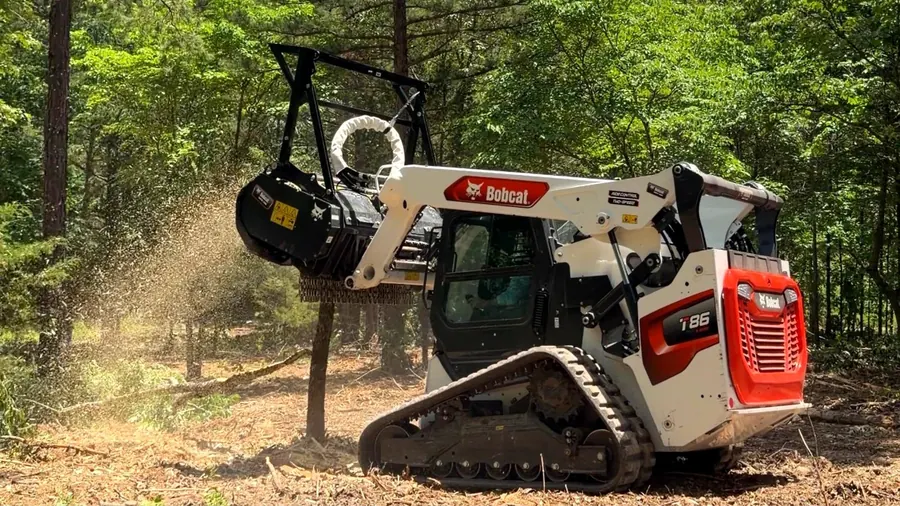
Eastern red cedar is eating pasture all over Adair and Cherokee County. The good news: the USDA's Environmental Quality Incentives Program (EQIP) can help pay to get it off your land. Here's how it works locally, in plain English.
What EQIP Is
EQIP is a voluntary program run by the USDA Natural Resources Conservation Service (NRCS). It pays agricultural landowners and producers back for part of the cost of conservation work. For cedar, the practice is usually Brush Management (code 314), sometimes paired with Woody Residue Treatment (code 490), which is what forestry mulching does: it treats the cut cedar on site with no burning or hauling.
Who Can Qualify
- You farm, ranch or manage agricultural or forest land, such as pasture, hay ground or grazing land.
- You can establish farm records with the USDA Farm Service Agency (FSA) and meet the program's eligibility rules.
- Your project fixes a real resource concern NRCS ranks, like cedar encroaching on grazing land.
Extra help for some landowners: NRCS gives "historically underserved" producers, which includes qualifying veteran farmers and beginning farmers, higher payment rates, a separate ranking pool, and the option of an advance payment of 50% once a contract is funded. Veteran farmers also get the highest priority within those pools. These benefits depend on you, the landowner, not on which contractor you hire. Source: NRCS Farm Bill Benefits for Special Audiences (PDF).
The Steps, In Order
- Visit your local USDA Service Center. Adair County landowners go to the Stilwell office. Cherokee County landowners go to the Tahlequah office. Find yours with the USDA office locator.
- Set up farm records with FSA if you haven't already.
- Apply for EQIP. Applications are taken year-round, but NRCS ranks them in batches by cutoff dates, so ask your office when the next one is.
- Get a conservation plan. An NRCS conservationist visits and writes the plan, including the cedar practice and its specifications.
- Wait for approval and a signed contract. This is the step people skip.
- Hire your contractor and do the work to spec. We mulch to the plan's requirements.
- NRCS checks the work, and you get paid.
The #1 mistake: clearing the cedar before your EQIP contract is signed. Work done before approval generally doesn't get paid. If you're thinking about cost-share, call NRCS first, then call us.
What About the State Cedar Program?
The Oklahoma Conservation Commission also runs an Invasive Woody Species cost-share program for eastern red cedar, saltcedar and mesquite. Its FY27 application window runs September 1 through November 1, 2026, but it only covers certain counties and program areas. Check the Oklahoma Conservation Commission or your local conservation district to see if your land is included.
How We Help
We're based in Stilwell and work across Adair and Cherokee County every week. We can give you a written estimate to bring to NRCS, explain what mulching does on your ground, and once your contract is signed, do the work to your plan's specifications. Read more on our EQIP page.
Talk to Us About Your Cedar Project
Free site visit, one flat price in writing. Usually a same-day reply.
Schedule a Free Site Visit Try the Price CalculatorOr call or text 918-708-1014
Frequently Asked Questions
Does EQIP pay for cedar removal in Oklahoma?
It can. Cedar removal on agricultural land is usually covered under Brush Management (practice 314). NRCS ranks applications and pays part of the cost after the work is done to plan specifications.
Can I clear the cedar first and apply for EQIP later?
No. Work started before your EQIP contract is approved and signed generally isn't eligible for payment. Apply and get approved first.
Where do I apply in Adair or Cherokee County?
At your local USDA Service Center: Stilwell for Adair County and Tahlequah for Cherokee County. Use the USDA office locator to confirm hours and contacts.
Do veterans get more from EQIP?
Qualifying veteran farmers can receive historically underserved benefits, including higher payment rates and an optional 50% advance payment, plus priority in ranking. Eligibility depends on the landowner, not the contractor.
Will Grit and Iron do the work to NRCS specifications?
Yes. Once you have a signed contract and plan, we mulch to its requirements and can provide the written estimate you need along the way.
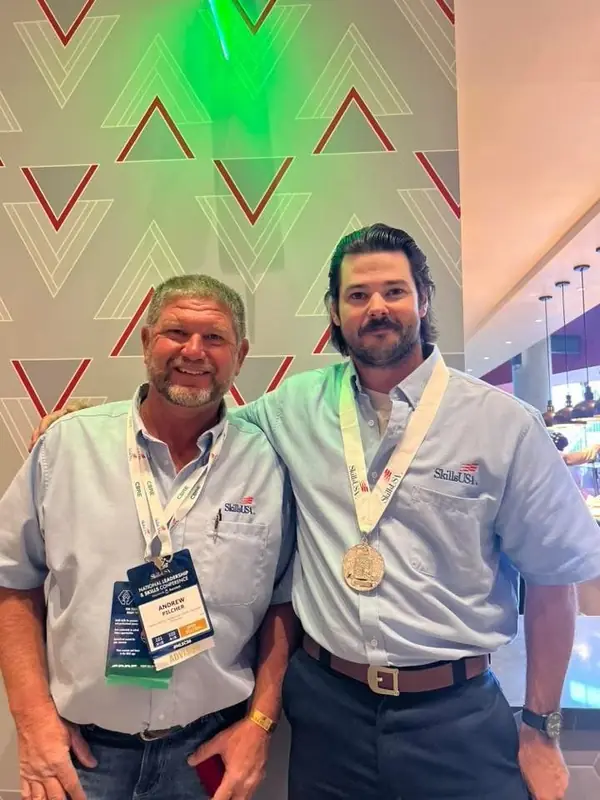
About Cody MorrisCody owns and runs Grit and Iron LLC out of Stilwell, OK. He served 8 years in the U.S. Marine Corps, is a Cherokee Nation citizen, and took 2nd place nationally in Heavy Equipment at the 2026 SkillsUSA National Leadership & Skills Conference. He walks every property and runs every job himself.